Understanding Dental X-Rays
minute read

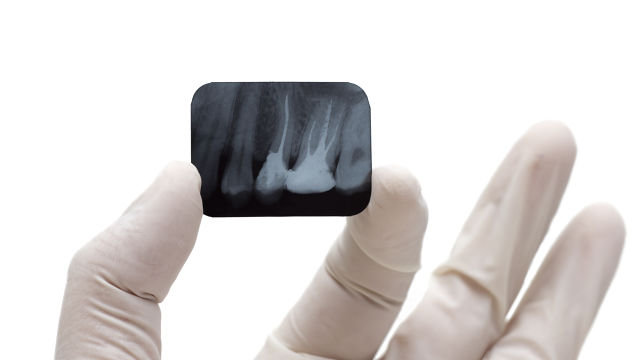
These X-rays are typically performed in the dental surgery. First, a dental professional will cover you with a heavy lead apron to protect your body from the radiation. Next, the dental professional who is licensed to take dental x-rays will insert a small apparatus, made of plastic, into your mouth and ask you to bite down on it - this holds the X-ray film in place. Then an X-ray picture of the targeted area will be taken. This process is pain-free and will be repeated until images have been obtained for your entire mouth.
The main purpose of having an X-ray performed is for preventive dental care. This procedure can aid in highlighting a number of dental issues, including bone destruction, dental injuries and tooth decay. In addition to its preventive care purposes, an X-ray is also a helpful tool for planning a course of treatment for patients who are having restorative care, dental implants placed or other cosmetic care.
There are a number of X-rays a dental professional can order. The type of X-ray needed will depend greatly on the type of care the patient needs to receive. Here are some of the most common types of X-rays performed.

Electric or Manual Toothbrushes, which one is better? Learn their differences, considering their effectiveness in dental health and oral hygiene.

Gingivitis is the first stage of gum disease. Knowing the warning signs can help you treat it quickly and prevent more serious issues. Learn more here.
Electric toothbrushes are a fantastic investment into your oral health, especially if you wear braces. Learn about electric toothbrushes for braces in this guide.
This article is intended to promote understanding of and knowledge about general oral health topics. It is not intended to be a substitute for professional advice, diagnosis or treatment. Always seek the advice of your dentist or other qualified healthcare provider with any questions you may have regarding a medical condition or treatment.