Do You Know All The Human Teeth Names?
minute read


Your smile begins with your incisors. Better Health explains that these eight teeth are located at the front of your mouth, with four on the top and four on the bottom. Your incisors mainly work to slice and dice food into more easily chewable pieces. There are two types:
Your four cuspids are the fang-like teeth that sit next to your lateral incisors. They're also known as eye teeth (in the case of the upper two) or canines. With their sharp biting surface, Better Health notes that these teeth help you to tear up your food. They also help to move your food into an optimal chewing position.
Your premolars are the next teeth adjacent to your canines, and they're found only in your permanent set of teeth. They're also referred to as "bicuspids", which means they have two points. According to Better Health, the flatter biting surfaces of these eight teeth help you to crush your food.
Your molars are located in the back of your mouth. Better Health notes that they're larger than your premolars and have big, flat surfaces for grinding food. There are six upper molars and six lower molars in a set of permanent teeth, but only four upper and four lower molars in baby teeth. There are three types:
While teeth are susceptible to wear, decay and damage, Better Health points out that they can last a lifetime with proper care. Make sure to brush twice a day, floss daily and keep up with regular dental appointments to ensure all of your teeth stay healthy.
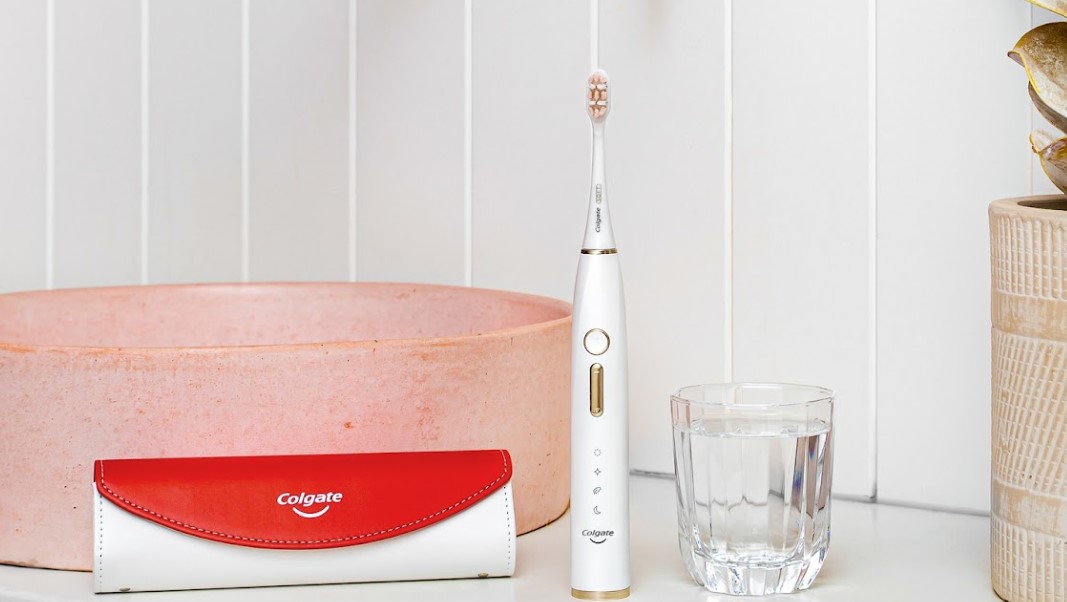
Electric or Manual Toothbrushes, which one is better? Learn their differences, considering their effectiveness in dental health and oral hygiene.

Gingivitis is the first stage of gum disease. Knowing the warning signs can help you treat it quickly and prevent more serious issues. Learn more here.
Electric toothbrushes are a fantastic investment into your oral health, especially if you wear braces. Learn about electric toothbrushes for braces in this guide.
This article is intended to promote understanding of and knowledge about general oral health topics. It is not intended to be a substitute for professional advice, diagnosis or treatment. Always seek the advice of your dentist or other qualified healthcare provider with any questions you may have regarding a medical condition or treatment.